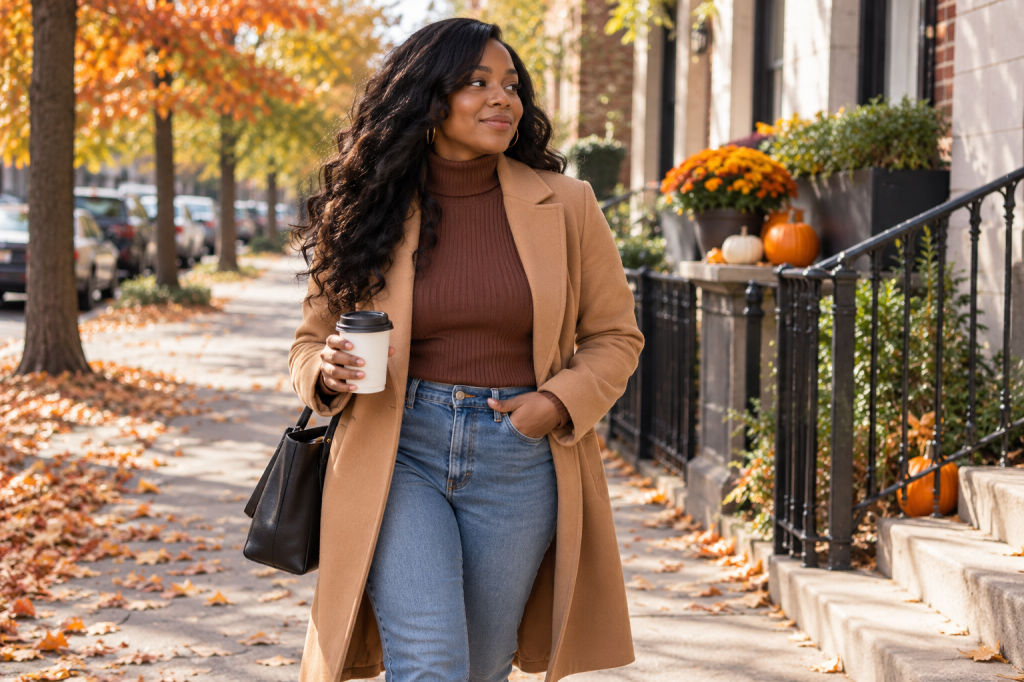
A new season does not require a new wardrobe. Before you buy another sweater because fall is coming, pull out the pieces you already wear and build outfits around them.
The easiest fall wardrobes are built around versatile basics, simple layers and pieces that work in more than one combination. Start with what you own, then shop only for the gaps that would make several outfits easier to wear.
Shop Your Closet First
Before making a shopping list, pull out these categories if you own them: jeans, black or neutral trousers, basic tees, a button down shirt, cardigan, sweater, blazer or light jacket, casual dress, sneakers, loafers or ankle boots.
You do not need every item. The point is to see how many outfits your existing basics can make before deciding what is truly missing.
10 Easy Fall Outfit Formulas
1. Straight Leg Jeans + Tee + Cardigan + Sneakers
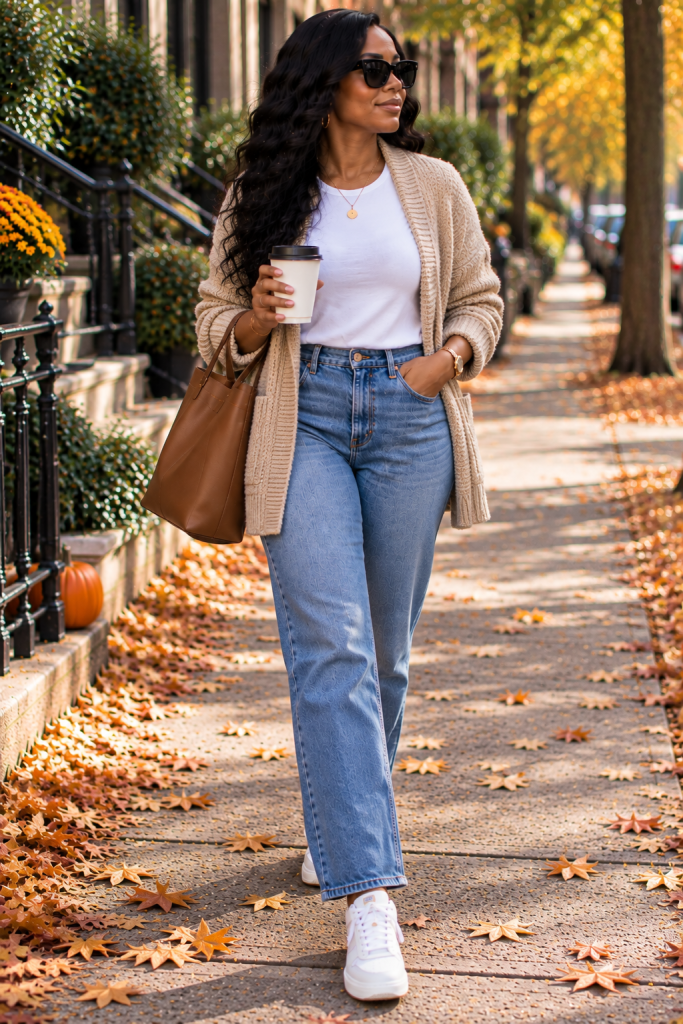
This is the easiest starting point. Keep the tee simple and let the cardigan provide the fall layer. If the afternoon warms up, the cardigan can come off without changing the outfit.
2. Dark Jeans + Button Down + Loafers
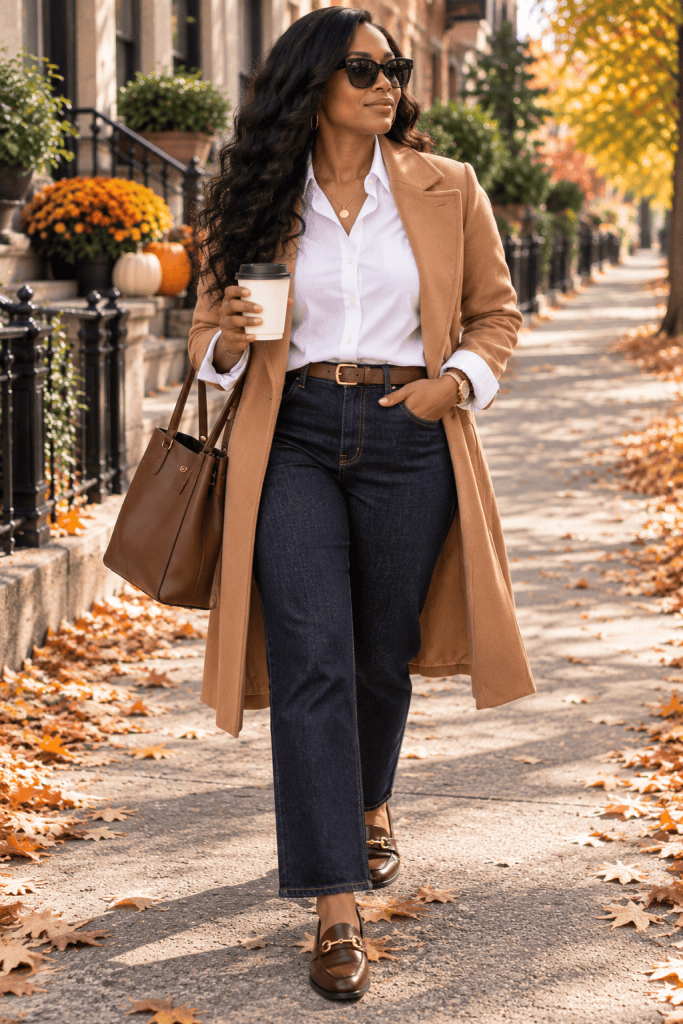
A button down can make everyday denim look more intentional. Wear it tucked, half tucked, open over a tee, or under a sweater depending on the weather.
3. Trousers + Basic Tee + Blazer + Sneakers
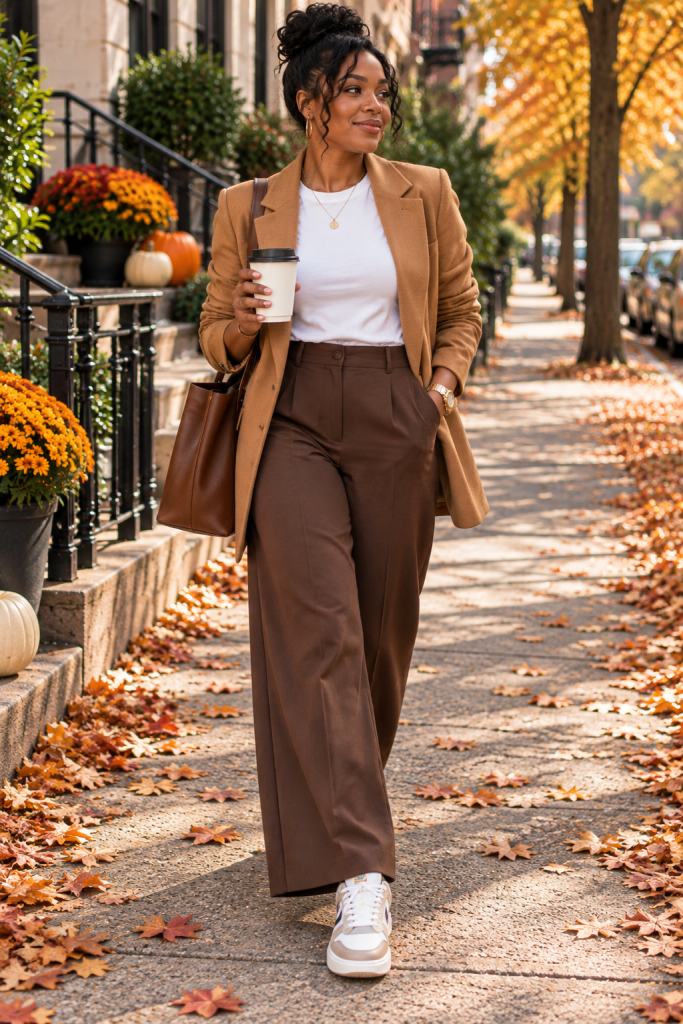
This formula mixes polished and casual pieces. It can work for errands, casual workplaces, appointments, or school events depending on the blazer and shoes.
4. Jeans + Sweater + Ankle Boots
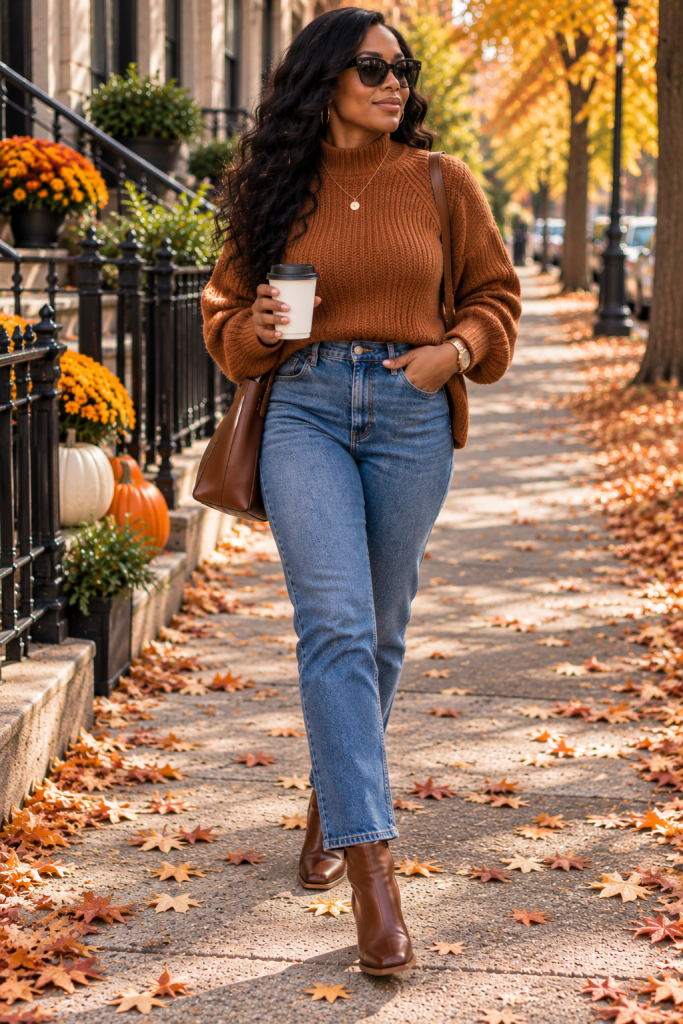
The classic works because the pieces are simple. Change the proportions instead of buying something new: try a front tuck, rolled sleeve, cropped sweater over a longer shirt, or a different jean silhouette.
5. Casual Dress + Cardigan + Sneakers
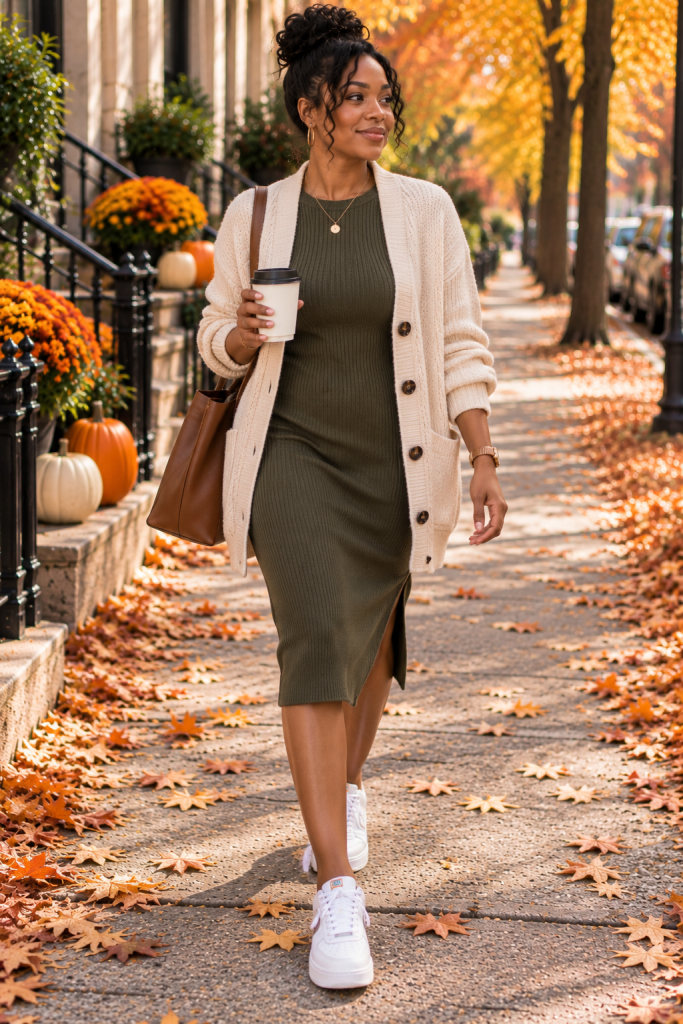
Do not pack away every summer dress immediately. A simple dress can transition into early fall with a cardigan or light jacket and closed toe shoes.
6. Black Trousers + Knit Top + Loafers
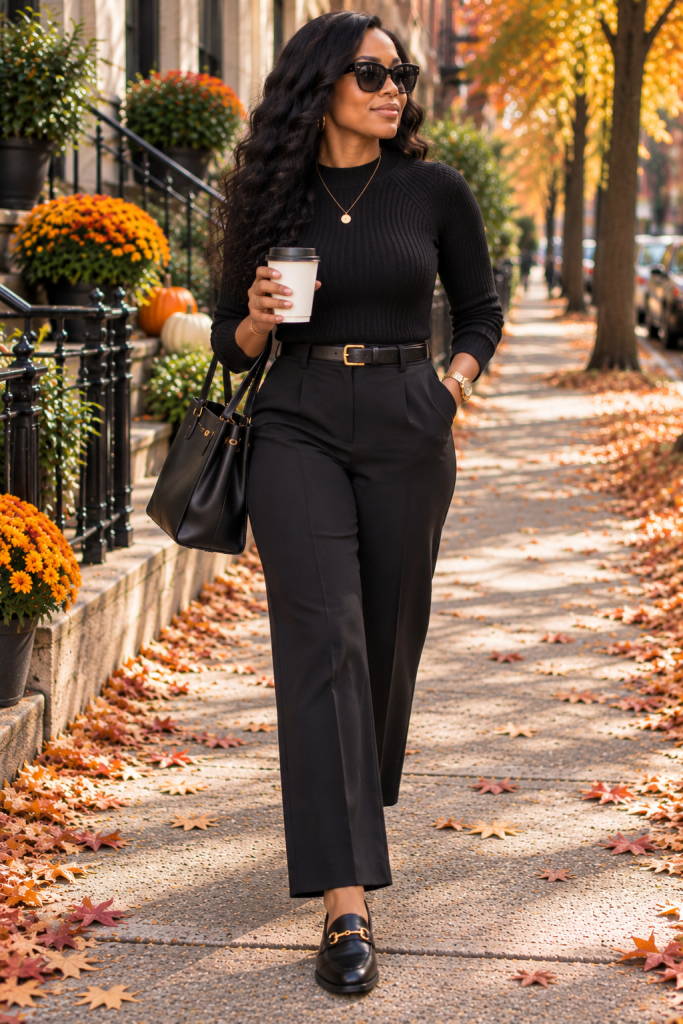
This can become an easy work formula. Add a belt, watch, scarf, or simple jewelry you already own rather than buying a completely new outfit.
7. Jeans + White Shirt + Sweater Layer
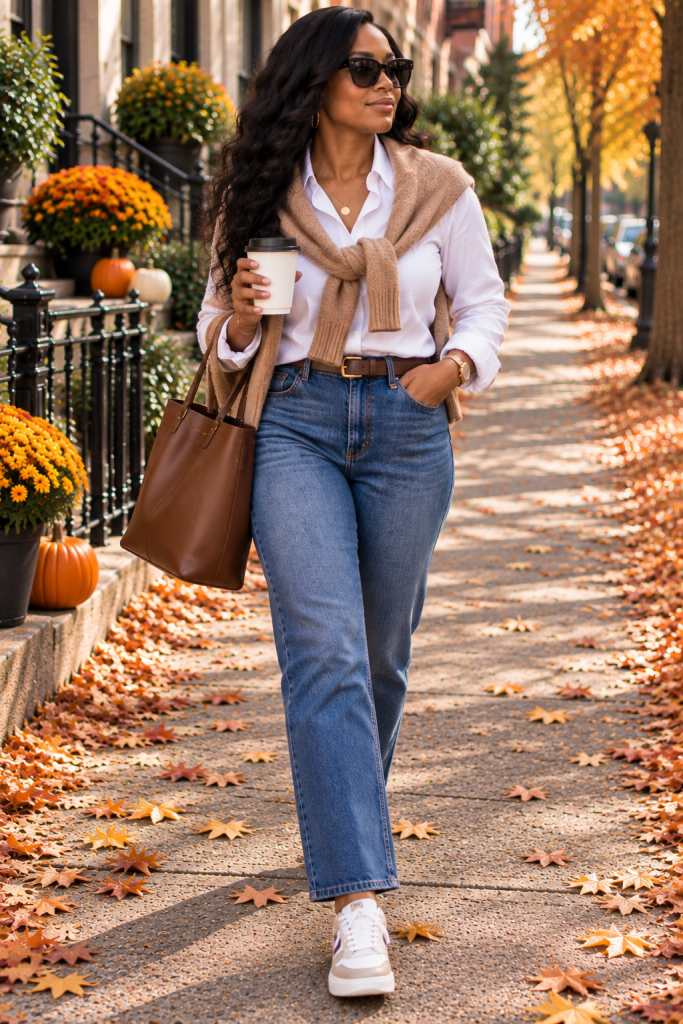
A crisp shirt plus a knit layer creates an easy transitional look. Layering also makes it easier to adjust when mornings are cool but afternoons are warmer.
8. Midi Skirt + Tee or Sweater + Sneakers
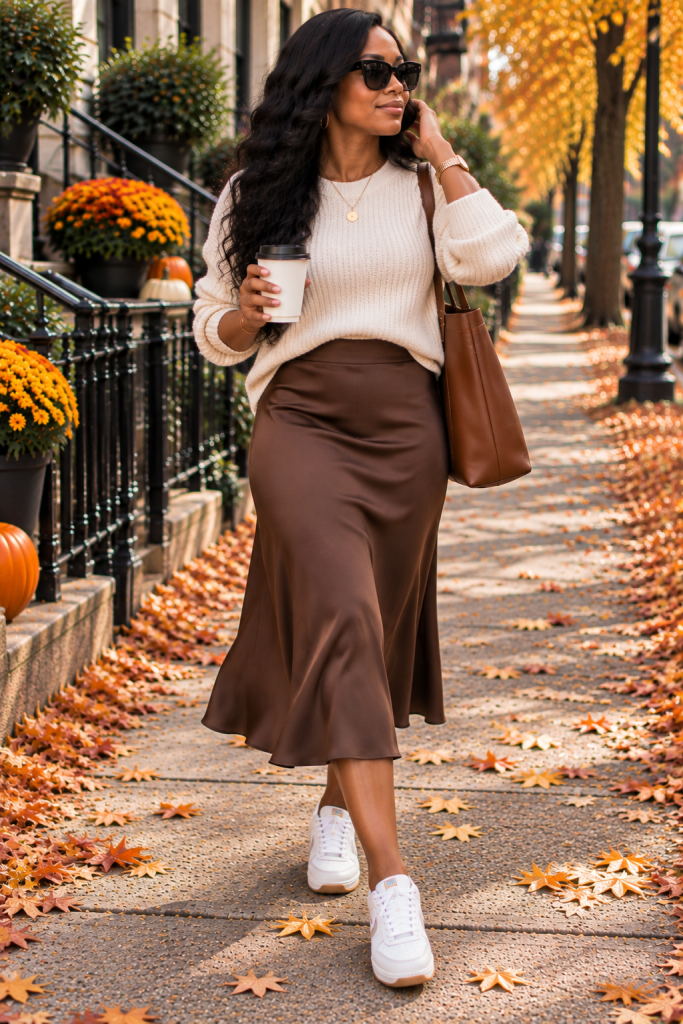
If a midi skirt is already in your closet, pair it with a plain tee in warmer weather and swap to a sweater as temperatures fall. Sneakers keep it practical, while boots can make it feel dressier.
9. Monochrome Basics + One Textured Layer
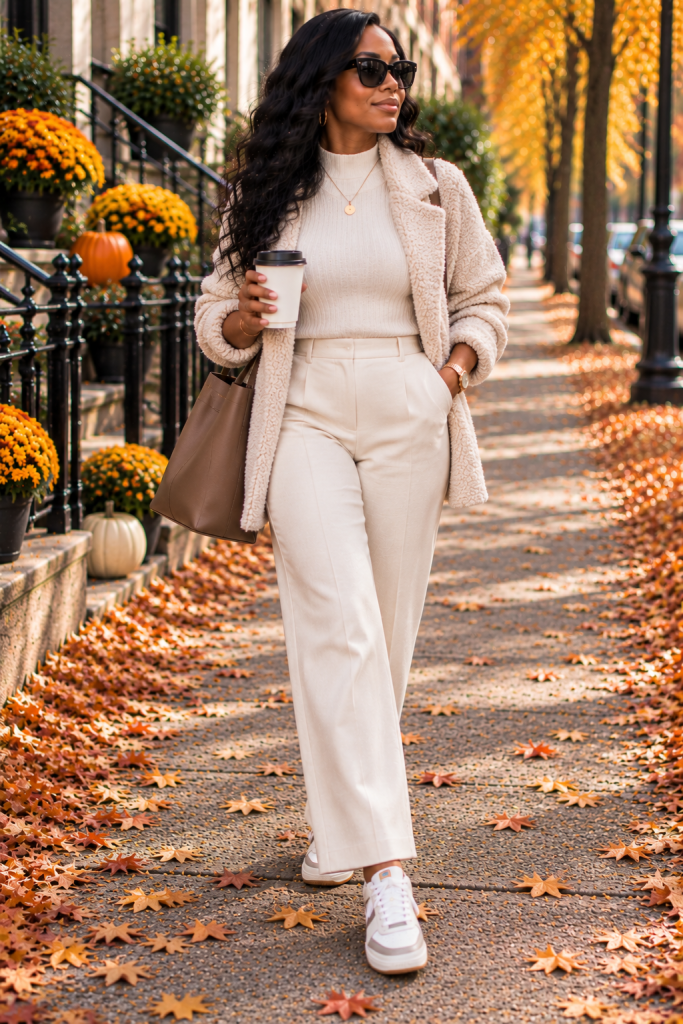
Wear pieces from one color family such as black, navy, brown, cream or gray, then add texture with denim, knitwear, suede look accessories or a structured jacket. It can make basic pieces feel more deliberate without requiring a trend heavy purchase.
10. Your Favorite Jeans + Your Best Top + Your Best Jacket
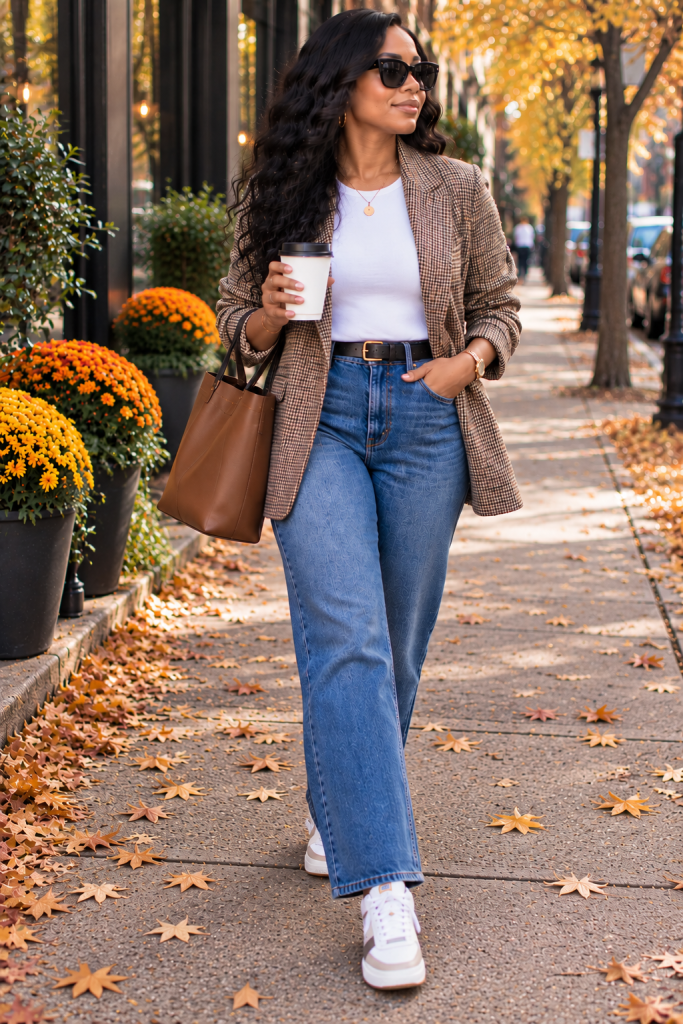
This sounds almost too simple, but it is a useful rule: build from the pieces you already know fit well. A reliable outfit is often better than buying something trendy that only works with one other item.
The 3 Question Rule Before Buying Something New
- Can I wear it with at least three things I already own?
- Does it fill a real gap, or do I already own something similar?
- Will I realistically wear it in my weather and daily life?
If the answer is no, leave it in the cart for now. Taking stock of what you own first makes it easier to spend on versatile pieces instead of duplicates.
If You Buy Only One or Two Things
Choose the missing piece that multiplies outfits rather than the loudest trend. Depending on your closet, that might be a comfortable cardigan, dark jeans that fit properly, a versatile light jacket, neutral everyday shoes, or simple work trousers.
Shop Only the Gaps
If your closet check reveals a real gap, start with basics you can repeat. A cardigan that works with jeans, trousers and dresses is usually more useful than a statement piece you can style only one way. The same rule works for loafers, everyday tees, blazers and light jackets: look for pieces that solve more than one outfit problem.
Before buying, compare price, fabric, care instructions and return policy. A lower price is not a better deal if the item does not fit your routine or requires you to buy several more pieces to make it work.
Make a Fall Outfit Photo Album
When you put together an outfit you like, take a quick mirror photo and save it in a phone album called “Fall Outfits.” After a few weeks, you will have your own personal lookbook. On busy mornings, choose from outfits you already know work instead of starting from zero.
Bottom Line
The smartest fall wardrobe may already be hanging in your closet. Start with your best fitting basics, use layers to handle changing weather, repeat simple outfit formulas, and buy only the pieces that make several existing outfits better.
 The Useful Side