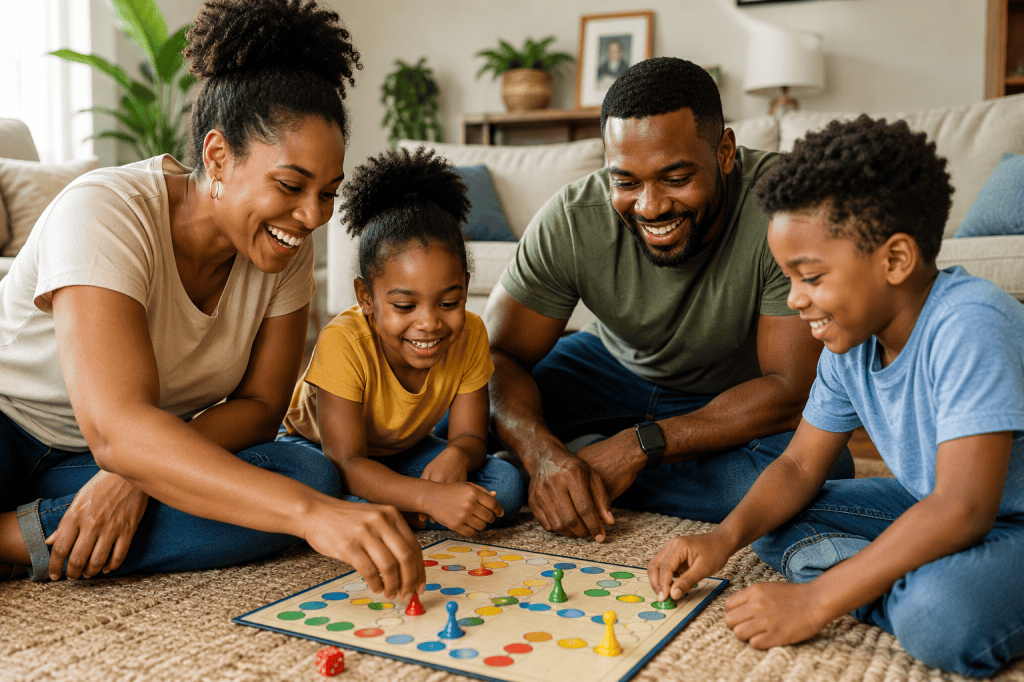
Helping a child learn another language at home does not require turning the kitchen table into a classroom. What children need most is meaningful, repeated exposure to language they can connect with people, routines, stories, play, and everyday life.
The American Academy of Pediatrics’ HealthyChildren guidance says learning more than one language does not confuse children, and regular exposure and practice help children develop and retain their languages. Multilingualism can also strengthen connections with family, culture, and community.
1. Use the Language During Real Routines
Start with moments that already happen every day: getting dressed, breakfast, bath time, the drive to school, cooking, cleaning up, or bedtime. Repeating useful words in a familiar situation gives the language context.
Instead of drilling ten unrelated words, try a small group connected to one routine: shirt, shoes, socks, backpack, ready, wait, and let’s go.
2. Keep the Home Language Alive
If your family already speaks a heritage language, do not assume you must stop using it so your child can learn English. HealthyChildren specifically addresses this common myth and encourages families to continue using their languages.
Talk with your child in the language in which you can communicate naturally and richly. Family stories, jokes, instructions, affection, and conversations all build language.
3. Read the Same Favorite Books Again
Repetition is useful. A child who already knows what happens in a favorite story can focus more attention on new words and phrases. Pause to point at pictures, ask simple questions, and let the child finish a familiar phrase.
4. Turn Flashcards Into Games, Not Tests
Picture and bilingual vocabulary cards can be used for memory matching, scavenger hunts, charades, “find the object,” category races, sentence building, or parent-versus-child challenges. The goal is to make the same vocabulary useful in several different ways.
Easy game: place five cards on the table. Say one word in the target language and race to touch the correct picture. Then switch roles and let your child call the words.
5. Label a Few Useful Things — Not the Whole House
Labels can help when they stay useful. Choose five to ten objects your child sees constantly, such as door, table, refrigerator, bed, mirror, backpack, or shoes. Once those words become familiar, replace them with a new group.
6. Use Music With a Purpose
Choose songs with clear repeated language. Learn one chorus together, identify a few words, then sing it during the week. Music works better as language practice when the child begins to recognize and use the words rather than simply hearing background audio.
7. Let Your Child Answer With What They Know
A child may understand more than they can say. Avoid turning every conversation into correction. If they answer with a mix of languages, you can naturally model the full phrase without making the child feel that speaking is a test.
8. Create a 10-Minute Language Routine
Consistency can be more realistic than a long lesson. Try ten minutes after dinner or before bedtime: five vocabulary cards, one short book, one song, and one simple question-and-answer game.
9. Connect the Language to People
Children have a reason to use language when it helps them connect with someone. Calls with relatives, conversations with neighbors, cultural events, community groups, or age-appropriate language programs can make the language feel alive rather than academic.
10. Use Screens Actively When You Use Them
A video can become more useful when you watch together, pause, repeat a phrase, name what you see, or ask the child what happened. The goal is interaction rather than simply adding more screen time.
11. Celebrate Communication, Not Perfection
Notice progress such as understanding a new instruction, remembering a word, trying a sentence, recognizing a phrase in a song, or speaking to a relative. Those small successes give children a reason to keep using the language.
12. Make the Language Part of Family Life
Recipes, family stories, holiday traditions, games, prayers, music, sayings, and conversations can carry language across generations. This is especially important when a child is learning a heritage language connected to family identity.
A Simple Weekly Plan
- Monday: five new picture words.
- Tuesday: use those words during a routine.
- Wednesday: play a five-minute matching or scavenger game.
- Thursday: read a familiar story and find the words.
- Friday: let the child teach the words back to you.
- Weekend: use the language with family, music, cooking, or an outing.
Useful Resources for Language Play
A small set of picture books, bilingual flashcards, dry-erase markers, magnetic letters, or a simple family game can support repeated practice without creating an expensive home classroom. This section is a natural place to add carefully selected learning-resource or flashcard links later.
When to Ask for Extra Help
If you are concerned about your child’s communication or language development, talk with the child’s pediatrician and school rather than assuming that multilingualism itself is the problem. HealthyChildren notes that multilingual children with speech or language difficulties generally show those difficulties across the languages they use.
Read the American Academy of Pediatrics’ parent FAQ on children learning multiple languages.
Keep Learning Without Leaving The Useful Side
Language learning works best when families have simple tools and realistic routines. Continue with these related guides while we build out carefully selected learning-resource recommendations.
- 15 Questions Parents Should Ask at a Parent-Teacher Conference
- 12 Simple Family Games That Help Parents and Kids Bond
- Free AI Certificates and Credentials You Can Earn in 2026
Resource note: when The Useful Side adds tracked links to books, flashcards, or learning materials, they will be disclosed clearly and included only when they genuinely fit the activity.
Bottom Line
You do not need to teach another language perfectly to support it at home. Make the language useful, repeat it in real situations, connect it to people and play, and give your child many low-pressure chances to communicate.
 The Useful Side